
Actinic Keratoses Christchurch Explained: Causes, Medical Assessment & Cryotherapy Treatment Options
Actinic keratoses, also known as solar keratoses, are rough, scaly, or sometimes discoloured areas of skin that develop after prolonged exposure to ultraviolet (UV) radiation.
They commonly appear on areas frequently exposed to sunlight, including the face, scalp, ears, hands and forearms.
Although many actinic keratoses remain stable or resolve naturally, some may develop into a type of skin cancer called squamous cell carcinoma (SCC). It is not always possible to predict which lesions may progress.
For this reason, an appropriately qualified healthcare professional should assess actinic keratoses before considering any treatment.
At Lipo 360, we provide information about different skin concerns and consultation-led cosmetic services. However, we do not diagnose actinic keratoses, assess lesions for skin cancer or provide medical treatment for potentially precancerous skin conditions.
If you are concerned about an actinic keratosis or another unusual skin lesion, your GP or an appropriate dermatology professional should be your first point of contact.
What Are Actinic Keratoses Christchurch?
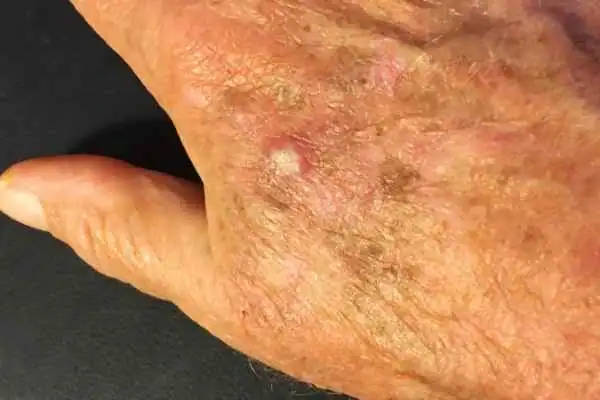
Actinic keratoses are sun-damaged areas of skin that develop after cumulative exposure to ultraviolet radiation.
They occur when UV exposure causes changes to cells in the outer layer of the skin.
Actinic keratoses may appear as:
- Rough, dry or scaly patches
- Pink, red, brown or skin-coloured areas
- Flat or slightly raised lesions
- Areas that feel like sandpaper
- Patches that occasionally become tender, itchy or uncomfortable
Their appearance can vary depending on skin tone, location and severity.
Some lesions are easier to feel than see, while others develop a thicker, more noticeable surface.
Not every rough or scaly skin patch is an actinic keratosis. Other skin conditions, including some forms of skin cancer, can look similar.
A medical assessment is therefore important to establish the correct diagnosis.
What Causes Actinic Keratoses Christchurch?
The primary cause of actinic keratoses is cumulative exposure to ultraviolet radiation from sunlight or artificial UV sources, including sunbeds.
Over time, UV radiation can damage the DNA within skin cells, contributing to abnormal cell changes.
Several factors can increase the likelihood of developing actinic keratoses.
Long-Term Sun Exposure
People who spend significant time outdoors may have greater cumulative UV exposure.
This includes people who work outdoors or regularly participate in outdoor activities.
Skin Type
Actinic keratoses are more common in people with lighter skin that burns easily. However, they can occur in people with any skin tone.
Age
Actinic keratoses become more common with increasing age because UV damage accumulates over time.
Previous Sunburn
Repeated sunburn, particularly during childhood and adolescence, can contribute to long-term skin damage.
Reduced Immune Function
People with weakened immune systems, including some organ transplant recipients, may have an increased risk of developing actinic keratoses and certain skin cancers.
Where Do Actinic Keratoses Commonly Develop?
Actinic keratoses typically appear on areas that receive frequent sun exposure.
Common locations include:
- Face and forehead
- Scalp, particularly where hair is thinning
- Ears
- Neck
- Back of the hands
- Forearms
- Lower legs
Some people develop a single lesion, while others may have several patches across an area of sun-damaged skin.
The number and appearance of lesions can change over time.
Are Actinic Keratoses Cancerous?
Actinic keratoses are generally considered precancerous skin lesions.
This means they are not invasive skin cancer, but some have the potential to develop into squamous cell carcinoma.
Not every actinic keratosis will progress. Some remain unchanged, while others may resolve without treatment.
However, it is not possible to reliably predict which individual lesions may become cancerous.
Medical assessment is particularly important if a lesion:
- Grows or changes noticeably
- Becomes increasingly thickened or raised.
- Bleeds without an obvious injury
- Develops persistent pain or tenderness
- Forms an ulcer or does not heal
- Changes in appearance or causes concern
These changes do not necessarily mean skin cancer is present, but an appropriate healthcare professional should assess them promptly.
How Are Actinic Keratoses Christchurch Diagnosed?
A suitably qualified healthcare professional should diagnose actinic keratoses.
Assessment may involve examining the skin and discussing relevant medical history, including previous sun exposure and skin conditions.
A healthcare professional may use a dermatoscope to examine the lesion more closely.
Where the diagnosis is uncertain, or skin cancer is suspected, a biopsy or specialist referral may be required.
A cosmetic consultation is not a substitute for medical assessment.
At Lipo 360, we do not diagnose skin lesions or determine whether a lesion is benign, precancerous or malignant.
What Treatments Are Available for Actinic Keratoses Christchurch?
Several medical treatment approaches may be considered, depending on the number, location, appearance and clinical characteristics of the lesions.
A healthcare professional will assess whether treatment is appropriate and which option may be suitable.
1. Cryotherapy
Cryotherapy is a non-surgical procedure that uses very low temperatures, commonly through liquid nitrogen, to freeze selected abnormal skin tissue.
Clinicians may recommend it for individual actinic keratoses after a clinical diagnosis.
Following treatment, the area may become red, swollen or blistered before forming a crust and gradually healing.
Possible risks include discomfort, infection, pigmentation changes and scarring.
Cryotherapy is not suitable for every lesion or individual, and treatment outcomes vary.
2. Prescription Topical Treatments
Certain prescription creams or gels may treat actinic keratoses, particularly when multiple lesions are present.
These may include treatments containing:
- 5-fluorouracil
- Imiquimod
- Diclofenac
- Other clinically appropriate prescribed medicines
The suitability of these treatments depends on individual medical circumstances and professional assessment.
Temporary redness, irritation and inflammation can occur during treatment.
3. Photodynamic Therapy
Photodynamic therapy (PDT) uses a light-sensitive medication followed by exposure to a specific light source.
It may be recommended for certain actinic keratoses, particularly where multiple areas require treatment.
Discuss suitability and expected outcomes with the treating healthcare professional.
4. Other Medical Procedures
In some circumstances, a dermatologist may recommend additional procedures, particularly where the diagnosis is uncertain, or a lesion has concerning characteristics.
These may include biopsy, curettage or surgical removal, depending on clinical findings.
Can CryoPen Be Used for Actinic Keratoses?
CryoPen is a device used in certain cryotherapy applications.
However, it is important to distinguish between cosmetic cryotherapy services and medically supervised treatment of potentially precancerous skin lesions.
Although cryotherapy is an established medical treatment option for selected actinic keratoses, not every cryotherapy device or practitioner is suitable for treating them.
Treatment depends on the diagnosis, the specific device, the practitioner’s qualifications and the clinical circumstances.
Lipo 360 does not offer CryoPen treatment for actinic keratoses as a cosmetic skin-lesion removal service.
Anyone diagnosed with actinic keratoses, or who suspects they may have one, should seek advice from an appropriately qualified healthcare professional about suitable medical treatment options.
What Happens After Medical Cryotherapy?
When an appropriately qualified healthcare professional performs cryotherapy, the treated area may go through several stages of healing.
These can include:
Redness and swelling: The skin may become red or swollen shortly after treatment.
Blistering: Some people develop a blister that may contain clear fluid or, occasionally, blood.
Crusting: A scab or crust may form as the treated tissue heals.
Skin recovery: Healing times vary depending on the treatment site, lesion size, and individual healing response.
Potential complications can include infection, prolonged discomfort, scarring and changes in skin pigmentation.
Patients should follow the specific aftercare instructions provided by their treating healthcare professional.
If symptoms worsen or signs of infection develop, seek medical advice.
Can Actinic Keratoses Return After Treatment?
Yes. Actinic keratoses may recur following treatment, and new lesions can develop elsewhere on sun-damaged skin.
Treating an individual lesion does not reverse all previous UV-related skin damage.
People with a history of actinic keratoses may therefore require ongoing skin monitoring and follow-up, as recommended by their healthcare professional.
Regular sun protection is also important.
How Can You Reduce the Risk of Actinic Keratoses?
Although you can’t always reverse previous sun damage, sensible UV protection can help reduce further skin damage.
Recommended measures include:
- Using broad-spectrum sunscreen with SPF 30 or higher
- Reapplying sunscreen as directed, particularly when outdoors
- Seeking shade during periods of strong sunlight
- Wearing protective clothing and a wide-brimmed hat
- Avoiding sunbeds
- Monitoring the skin for new or changing lesions
- Seeking medical advice about suspicious skin changes
Sun protection remains important year-round, including during cooler or cloudy weather.
When Should You Seek Medical Advice?
Arrange an assessment with your GP or an appropriate healthcare professional if you notice a new, changing, or unusual skin lesion.
Medical advice is especially important if a lesion becomes painful, bleeds, develops an ulcer, grows rapidly, or fails to heal.
If a healthcare professional suspects squamous cell carcinoma, an urgent specialist referral may be appropriate.
Early assessment can help establish the correct diagnosis and identify whether further investigation or treatment is required.
Frequently Asked Questions About Actinic Keratoses
Are actinic keratoses dangerous?
Actinic keratoses are potentially precancerous lesions. Although many do not progress to skin cancer, some may develop into squamous cell carcinoma. Medical assessment is recommended.
Can actinic keratoses disappear naturally?
Some actinic keratoses may resolve without treatment. However, they can recur, and other lesions may persist or progress. A healthcare professional can advise whether monitoring or treatment is appropriate.
Is cryotherapy effective for actinic keratoses?
Medical cryotherapy is an established treatment option for certain actinic keratoses. Effectiveness varies by lesion and treatment approach. It is not suitable for every case.
Is CryoPen the same as medical cryotherapy?
CryoPen is a specific type of cryotherapy device. Medical cryotherapy can involve different equipment and treatment protocols. A device’s suitability depends on its intended use, the condition being treated, and the practitioner’s clinical qualifications.
Does cryotherapy leave scars?
Scarring is possible following cryotherapy. Other potential effects include changes in pigmentation, blistering, discomfort and infection. Your healthcare professional should explain the risks before treatment.
Can a cosmetic practitioner remove actinic keratoses?
Actinic keratoses require a proper medical diagnosis and treatment plan. Seek advice from a qualified healthcare professional rather than assuming a cosmetic skin-lesion removal service is suitable.
Can sunscreen prevent actinic keratoses?
Consistent sun protection can help reduce further UV damage and the risk of developing additional sun-related skin problems. However, sunscreen can’t prevent or reverse all existing damage.
Does Lipo 360 treat actinic keratoses?
No. Lipo 360 does not diagnose or offer cosmetic CryoPen removal of actinic keratoses. If you’re concerned about these lesions, seek appropriate medical assessment.
Understanding Your Skin and Choosing Appropriate Care
Different skin lesions can look similar, but they may require very different approaches to assessment and treatment.
At Lipo 360, we recognise the importance of identifying when a concern falls outside the scope of cosmetic treatment.
Our consultation-led approach to suitable cosmetic skin concerns does not replace diagnosis or treatment by a qualified healthcare professional.
If you are concerned about an actinic keratosis, a changing lesion, or an area of unexplained skin damage, please contact your GP or an appropriate dermatology professional.
For information about Lipo 360’s cosmetic services for suitable, medically assessed benign skin concerns, you can explore our dedicated CryoPen information page.
Learn More About Our Cosmetic CryoPen Services
Important information: This article is intended for general education only. It does not constitute medical advice, diagnosis or a recommendation for a particular treatment. Actinic keratoses require appropriate medical assessment, and Lipo 360 does not provide medical treatment for potentially precancerous skin lesions.